
Joint pain often starts as a minor inconvenience that people tend to dismiss. You might experience a slight twinge in your knee after a walk or notice mild stiffness in your shoulder when reaching for an object. Ignoring these subtle warning signs can allow underlying damage to progress silently over time. Addressing these minor aches today is essential to safeguarding your long-term joint physical health and mobility.
At The Orthopaedic Center, our experienced teams in Tulsa and Jenks, OK, help patients regain comfort and control over their lives. We provide specialized medical attention to diagnose and manage minor joint issues before they escalate into debilitating injuries. Seeking timely intervention can significantly alter your recovery trajectory. Schedule an evaluation today to discover how early orthopedic care can protect your joints and keep you moving comfortably for years to come.
Important Takeaways
- Understanding the progression of untreated minor joint injuries into complex chronic ailments.
- Recognizing the clear benefits of rapid diagnosis and personalized rehabilitation strategies.
- Exploring conservative options like physical therapy, specialized bracing, and advanced medical techniques.
- Learning how structured proactive management prevents permanent mobility limitations and physical decline.
How Untreated Joint Injuries Can Develop Into Chronic Conditions
A minor sprain or a small cartilage tear might seem like something you can simply push through. When a joint is injured, its natural mechanics are altered, causing abnormal stress on the surrounding tissues. This imbalance leads to accelerated wear and tear on the cartilage that protects your bones. Over time, this continuous microtrauma triggers chronic inflammatory responses within the joint capsule.
As inflammation persists, it gradually degrades the healthy tissue and restricts smooth movement. This progressive deterioration is a primary driver for the development of chronic conditions such as osteoarthritis. What began as a brief, treatable injury can transform into a permanent source of daily discomfort. Early medical assessment interrupts this destructive cycle before irreversible damage occurs to the skeletal structure.
Importance of Early Diagnosis and Intervention
Obtaining a prompt diagnosis when you first experience joint discomfort provides a clear advantage for long-term recovery. Identifying the precise cause of pain early allows for targeted interventions that support natural healing processes. This proactive approach prevents the secondary muscle weakness and compensation patterns that often accompany chronic pain. Patients who address joint issues early experience superior long-term clinical outcomes and faster return to daily activities.
- Accurate identification: Pinpointing the exact source of joint dysfunction prevents ineffective treatments and further irritation.
- Preservation of cartilage: Timely intervention stops the progressive wear on protective joint surfaces.
- Reduced inflammation: Addressing swelling quickly prevents long-term tissue scarring and joint stiffness.
- Customized recovery plans: Personalized treatment programs ensure that individual recovery goals are safely met.
Role of Physical Therapy, Bracing, and Minimally Invasive Treatments in Early Orthopedic Care
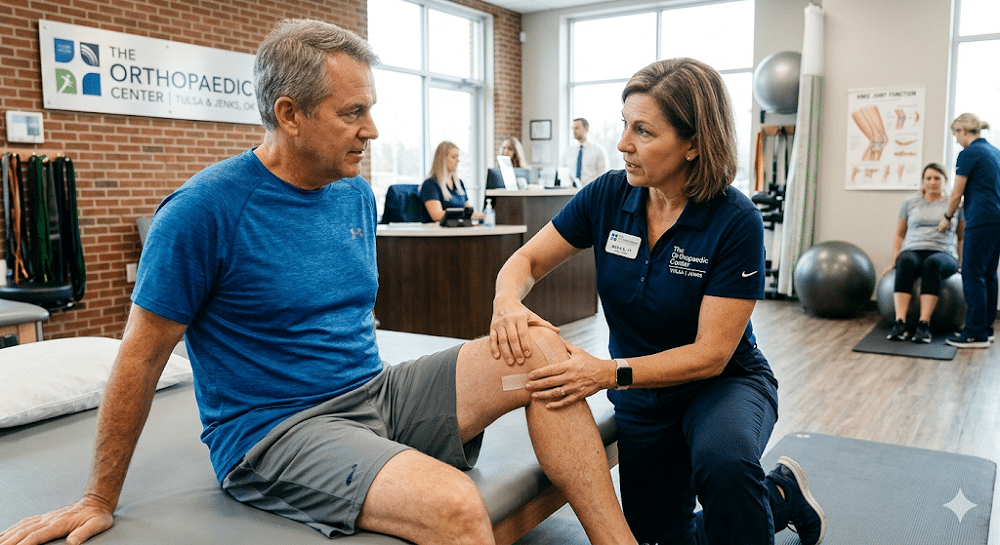
Effective early orthopedic care relies heavily on non-surgical methods to restore optimal joint function. Structured physical therapy plays a crucial role by strengthening the supportive muscles around the affected joint. This increased strength offloads pressure from the damaged structures and improves overall stability. Specialized bracing provides external support, allowing the joint to rest and heal during daily physical activities.
When conservative measures are insufficient, minimally invasive treatments offer excellent results without the need for extensive surgery. Techniques such as therapeutic injections can significantly reduce localized inflammation and alleviate severe discomfort. These modern treatments help manage symptoms while preserving the natural anatomy of the joint. Utilizing these advanced options early often eliminates the need for complex orthopedic surgery down the road.
How Proactive Care Reduces Long-Term Mobility Issues
Taking a proactive stance against joint pain is the most effective way to protect your physical independence as you age. Chronic joint degeneration leads to a restricted range of motion, making simple tasks like climbing stairs difficult. This decline in mobility often forces individuals to adopt a sedentary lifestyle, which negatively impacts overall cardiovascular health. Proactive medical management preserves joint flexibility and ensures you can maintain an active, fulfilling lifestyle.
- Maintained flexibility: Continuous care helps keep the joint capsule pliable and prevents a severe range of motion loss.
- Enhanced stability: Targeted exercises reinforce joint alignment and reduce the risk of future accidental falls.
- Prevention of secondary pain: Maintaining proper joint alignment stops compensatory strain on neighboring muscles and ligaments.
- Long-term independence: Preserving joint health ensures you can perform daily activities without relying on assistance.
Seek Professional Evaluation for Persistent Joint Discomfort
Living with persistent joint discomfort can gradually diminish your overall quality of life and limit your favorite activities. Waiting for the pain to disappear on its own often gives the underlying condition more time to worsen. Professional medical evaluations provide the clarity and diagnostic accuracy needed to address the root cause of your symptoms. Taking action today protects your physical well-being and secures your future mobility.
The specialized medical staff at The Orthopaedic Center is dedicated to providing comprehensive orthopedic support for residents in Tulsa and Jenks, OK. Our targeted treatment plans focus on restoring function and preventing long-term complications through effective early orthopedic care. Do not let joint stiffness control your daily routine or limit your lifestyle. Contact our clinic today to schedule your consultation and take the first step toward lasting joint health.